Summary
- Ramadan 2027 is expected to begin around 8 February 2027, with Eid al-Fitr around 9–10 March 2027 (exact dates depend on moon sighting).
- For many retailers serving Muslim communities, Ramadan is the biggest date-selling period of the year. Missing it — or arriving late — can cost a large share of annual date sales.
- The Deglet Nour harvest runs from roughly October to December, which makes Ramadan 2027 well timed for fresh-crop Tunisian dates — provided you plan early.
- Work backwards from the first day of Ramadan: in-store availability → customs clearance → transit → packing → order confirmation → samples. For an early-February Ramadan, the real decisions happen in October and November 2026.
- Build your stock in layers: everyday Deglet Nour for volume, family packs for bulk buyers, branch and whole-bunch presentations for guests and gifts.
- This guide gives you a month-by-month timeline, a stock-planning method and a checklist. To start the conversation, request a quote.
Why Ramadan deserves its own plan
For a small importer, a distributor or a retailer serving Muslim customers, Ramadan is not just another season. In many communities, dates are the traditional food for breaking the fast at sunset (iftar), and households buy them in much larger quantities during that month. Demand also rises for gifts, family gatherings and Eid celebrations at the end of the month.
That creates both an opportunity and a risk:
- The opportunity: a concentrated period of strong, predictable demand, with customers ready to buy larger packs and premium presentations.
- The risk: if your stock arrives late, runs out mid-month or does not match what customers want, you lose sales that are hard to recover after Ramadan.
Because Ramadan moves earlier by about 11 days each year in the Gregorian calendar, its timing relative to the date harvest changes over time. In 2027, it falls in early February — just a few weeks after the end of the Deglet Nour harvest. That is good news for freshness, but it leaves little margin for late planning.
Key dates for Ramadan 2027
| Milestone | Expected timing |
|---|---|
| Deglet Nour harvest in Tunisia | October – December 2026 |
| Ramadan 2027 begins | Around 8 February 2027 (subject to moon sighting) |
| Last ten nights | Around end of February – early March 2027 |
| Eid al-Fitr | Around 9–10 March 2027 |
Plan for your stock to be in store, or in your warehouse ready to deliver, at least one to two weeks before the first day of Ramadan. Many customers buy their dates before the month starts, and retailers who supply other shops need even more lead time.
Work backwards: a month-by-month timeline
The simplest way to plan is to start from the date you need the product on the shelf and work backwards. Lead times depend on your route, transport mode, customs process and supplier, so adjust the timeline below to your own situation.
October 2026 — Decide and sample
- Review last year’s Ramadan sales: what sold out, what was left over, which pack sizes worked.
- Decide on your range: which presentations (loose, branch, whole bunch), which pack sizes, which price points.
- Contact suppliers and request samples of the new crop. Compare them side by side.
- Confirm with your customs broker which documents and labelling rules apply to dates in your market.
If you are new to Tunisian dates, read Deglet Nour Grades Explained and Sourcing Tunisian Deglet Nour Dates as a Small Importer first.
November 2026 — Specify and order
- Turn your choices into a written specification: variety, presentation, crop year, packaging, labelling, quantities, documents, Incoterm and payment terms.
- Confirm your order with a clear delivery window.
- Book transport with your forwarder, or agree on who organises it.
- Prepare your labels or importer stickers if required in your market.
December 2026 — Pack and ship
- Your supplier packs the order from the new harvest.
- Check draft documents before the originals are issued.
- The shipment leaves. Track it and keep your customs broker informed.
January 2027 — Receive, check and prepare
- Receive the goods, check quantities and quality on arrival, and document any issue with photos immediately.
- Store dates cool and dry, away from strong odours.
- Prepare your in-store displays, price labels and marketing (social media, flyers, shelf signs).
- Start selling to early buyers and to retailers you supply.
February – March 2027 — Sell, monitor, reorder if possible
- Monitor sales weekly during the first two weeks of Ramadan.
- If a product sells faster than expected, talk to your supplier immediately about a top-up, knowing that late orders are harder to deliver on time.
- Push gift presentations in the run-up to Eid al-Fitr.
- After Eid, review results and note lessons for Ramadan 2028, which will begin about 11 days earlier.
How much stock should you plan?
There is no universal number, but a structured method helps.
Step 1 — Start from your own history
The best predictor is last year’s Ramadan sales. Look at:
- total kilos sold during the month and the two weeks before;
- which pack sizes and presentations sold out first;
- what was left over after Eid.
Step 2 — Adjust for this year
Consider:
- growth of your customer base or number of stores;
- new customers (shops you now supply, new distribution channels);
- timing: an early-February Ramadan means your customers buy right after the holiday season — check how that affected demand in your market in previous years.
Step 3 — Split by layer
A practical structure for small and mid-sized buyers:
| Layer | Purpose | Typical presentation |
|---|---|---|
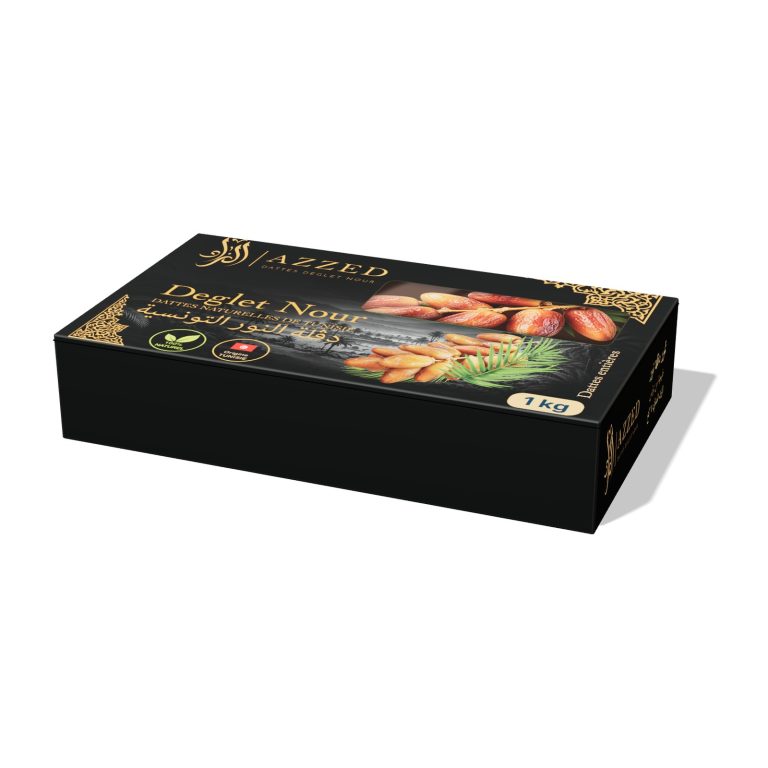
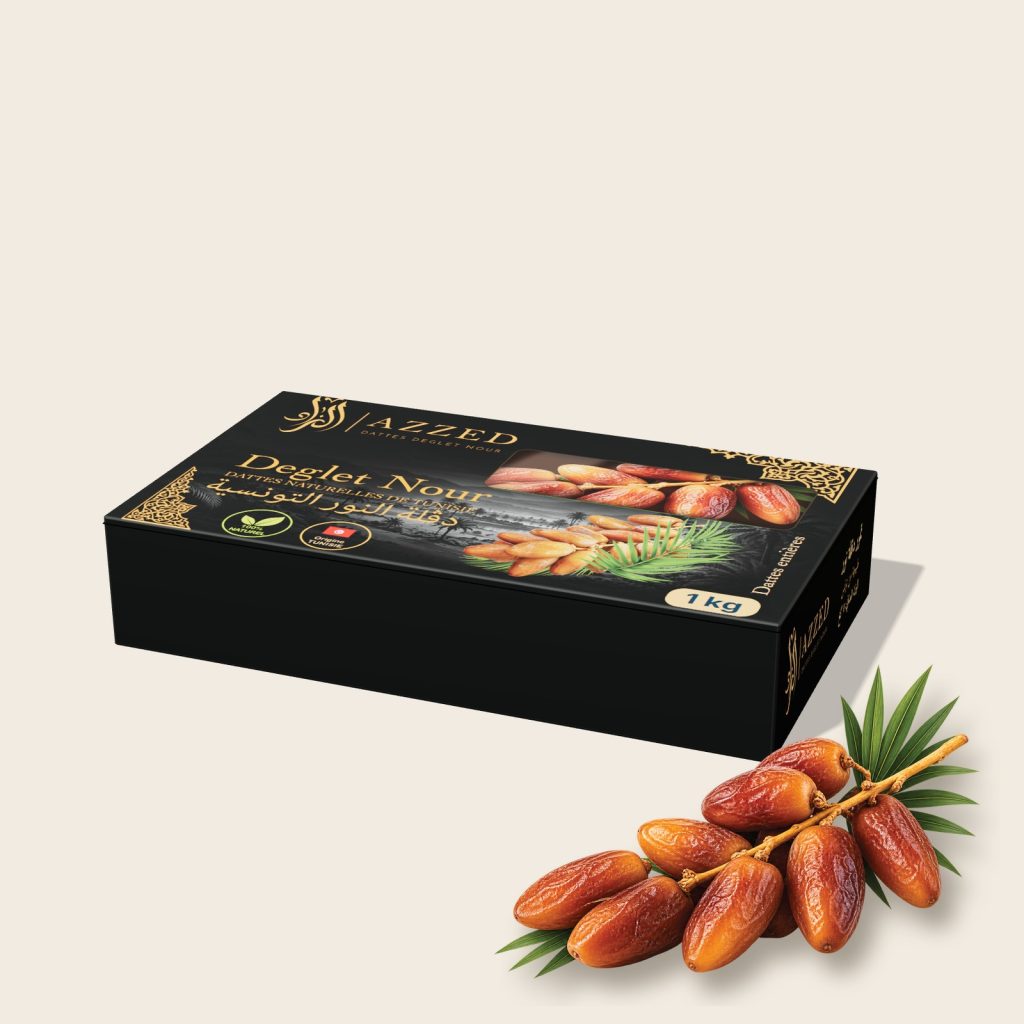
| Core | Daily iftar, highest volume | Loose Deglet Nour, consumer packs such as a 1 kg box |
| Family / bulk | Families buying for the whole month | Larger packs |
| Premium / gift | Guests, gifts, Eid | Branch dates, whole bunches (Arjoun), premium boxes |
The core layer carries most of the volume. The premium layer is smaller but supports margin and attracts attention to your whole range. Compare varieties and positioning in Deglet Nour vs Medjool: Which Dates Should Your Store Carry?.
Step 4 — Decide your safety margin
Running out in week two of Ramadan is usually worse than having some stock left after Eid, because well-stored Deglet Nour keeps for months. Many buyers add a modest margin to their core layer and keep the premium layer tighter.
Choosing the right presentations for Ramadan
Deglet Nour is especially well suited to Ramadan because one variety covers every need:
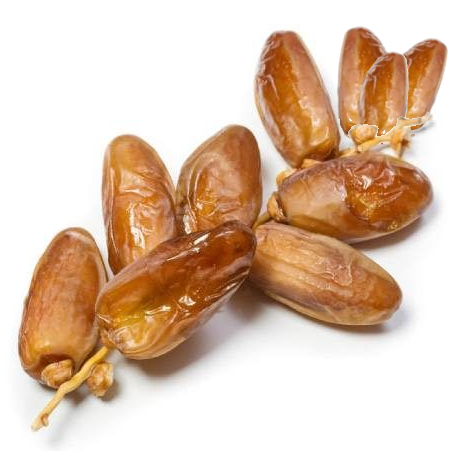
- Standard dates (loose, sorted fruit): the everyday iftar date, easy to portion, practical and accessible in price.
- Branch dates: an authentic, festive look for the iftar table when guests visit, and a popular gift.
- Deglet Nour Arjoun (whole bunches): a premium centrepiece for family gatherings, community events and Eid.
- Consumer boxes: easy to stack, easy to sell, easy to offer.
See all our formats on our Products page.
Logistics points to watch
Transport and timing
Discuss with your forwarder the realistic transit time for your route and the risk of delays in the busy months before Ramadan. Build in a buffer.
Storage on arrival
Dates are robust, but they need sensible storage: cool, dry, away from direct heat and strong odours, with packs kept closed. Avoid temperature swings, which cause condensation and sugar crystallisation. For longer storage, ask your supplier about recommended conditions for the specific lot.
Documents and labelling
Missing or incorrect documents can hold your goods at the border at the worst possible time. Confirm the required documents with your customs broker in October, share the list with your supplier in writing, and check drafts before shipment.
Communication
During peak season, quick answers matter. Agree on one contact person on each side and a fast channel (WhatsApp or email) for urgent questions.
Marketing your Ramadan date range
Good stock needs good visibility. Simple actions that work for small retailers:
- Announce early: let customers know the new-crop dates have arrived, two to three weeks before Ramadan.
- Tell the origin story: “Deglet Nour from the oases of southern Tunisia, new harvest” is a clear, credible message.
- Display by use: everyday iftar dates, family packs, gifts.
- Offer bundles: dates with tea, milk or nuts for iftar; premium dates in gift packaging for Eid.
- Use social media: photos of branch dates and whole bunches perform particularly well.
Common Ramadan planning mistakes
Small buyers tend to make the same few mistakes. Avoiding them is often enough to make the season a success:
- Waiting for prices to drop. Holding back orders in the hope of a better price can leave you without stock when demand peaks. Agree prices early and plan your margin accordingly.
- Ordering one presentation only. A range limited to loose dates misses gift and guest sales; a range limited to premium presentations misses volume. Build in layers.
- Underestimating the first week. Many households stock up just before and during the first days of Ramadan. Have enough on hand from day one.
- Ignoring documents until the goods ship. Paperwork problems discovered at the border are the most expensive kind of delay.
- Storing dates badly on arrival. A warm, humid back room can damage good fruit in a few weeks. Plan your storage space before the goods arrive.
- Not reviewing after Eid. The lessons of this season are your best tool for the next one.
Ramadan 2027 checklist
October 2026
- [ ] Review last year’s Ramadan sales
- [ ] Define your range and price points
- [ ] Request new-crop samples
- [ ] Confirm documents and labelling with your customs broker
November 2026
- [ ] Written specification agreed
- [ ] Order confirmed with delivery window
- [ ] Transport booked
- [ ] Labels or stickers prepared
December 2026
- [ ] Draft documents checked
- [ ] Shipment departed and tracked
January 2027
- [ ] Goods received and inspected
- [ ] Stored correctly
- [ ] Displays and marketing ready
February – March 2027
- [ ] Weekly sales monitoring
- [ ] Gift push before Eid
- [ ] Post-season review
Frequently asked questions
When should I order dates for Ramadan 2027?
For an early-February Ramadan, aim to confirm orders in November 2026, after sampling in October. Late orders are possible but riskier.
Will Ramadan 2027 dates be from the new harvest?
They can be: the Deglet Nour harvest runs from about October to December 2026. Ask your supplier to confirm the crop year in writing.
Which presentation sells best during Ramadan?
Everyday loose Deglet Nour and consumer packs usually carry the volume; branch dates and whole bunches drive gift and guest sales.
Can a small importer still take part in Ramadan sales?
Yes. Smaller, well-planned orders with a clear range often perform better than large, rushed ones. Read Sourcing Tunisian Deglet Nour Dates as a Small Importer for practical advice.
How do I contact Azzed?
Use our contact form, email sales@azzed-dattes.com, or message us on WhatsApp at +216 52 146 101.
Conclusion
Ramadan 2027 arrives early — around 8 February — and just after the Deglet Nour harvest. For importers and retailers, that is an excellent opportunity to offer fresh-crop Tunisian dates, but only for those who plan ahead. Sample in October, order in November, ship in December, prepare in January, and sell with confidence in February.
Azzed is a Tunisian Deglet Nour brand from the oases of Douz, established in its home market and now working with small and mid-sized buyers abroad. If you are planning your Ramadan range, we would be glad to hear about your project.
Request a quote, visit our Export page, read about our Quality approach, or message us on WhatsApp at +216 52 146 101.
Read next: Deglet Nour vs Medjool: Which Dates Should Your Store Carry?